
REITs in Dubai
How to Hold Dubai Property Income Without Buying a Unit
Two listed trusts now let you buy into Dubai rental income for the price of a single unit — no title deed, no service charge, no tenant. Here is what they own, what they actually paid out, how the regulation differs between the two exchanges, and the three things a REIT will never give you that direct ownership does.
What a Dubai REIT Actually Is
A real estate investment trust is a listed fund that owns income-producing buildings and distributes most of the rent it collects to its unitholders. You buy units through a stockbroker, the same way you would buy any share. There is no sale contract, no transfer appointment, no title deed in your name and no tenant of your own.
That is the whole proposition, and it is worth stating plainly because it cuts both ways. A REIT converts Dubai property from an illiquid asset that takes weeks to buy and months to sell into a security you can trade in a morning. In exchange, you give up every form of control that direct ownership carries — you cannot choose the building, set the rent, refurbish the unit, borrow against it, live in it, or use it to support a residency application.
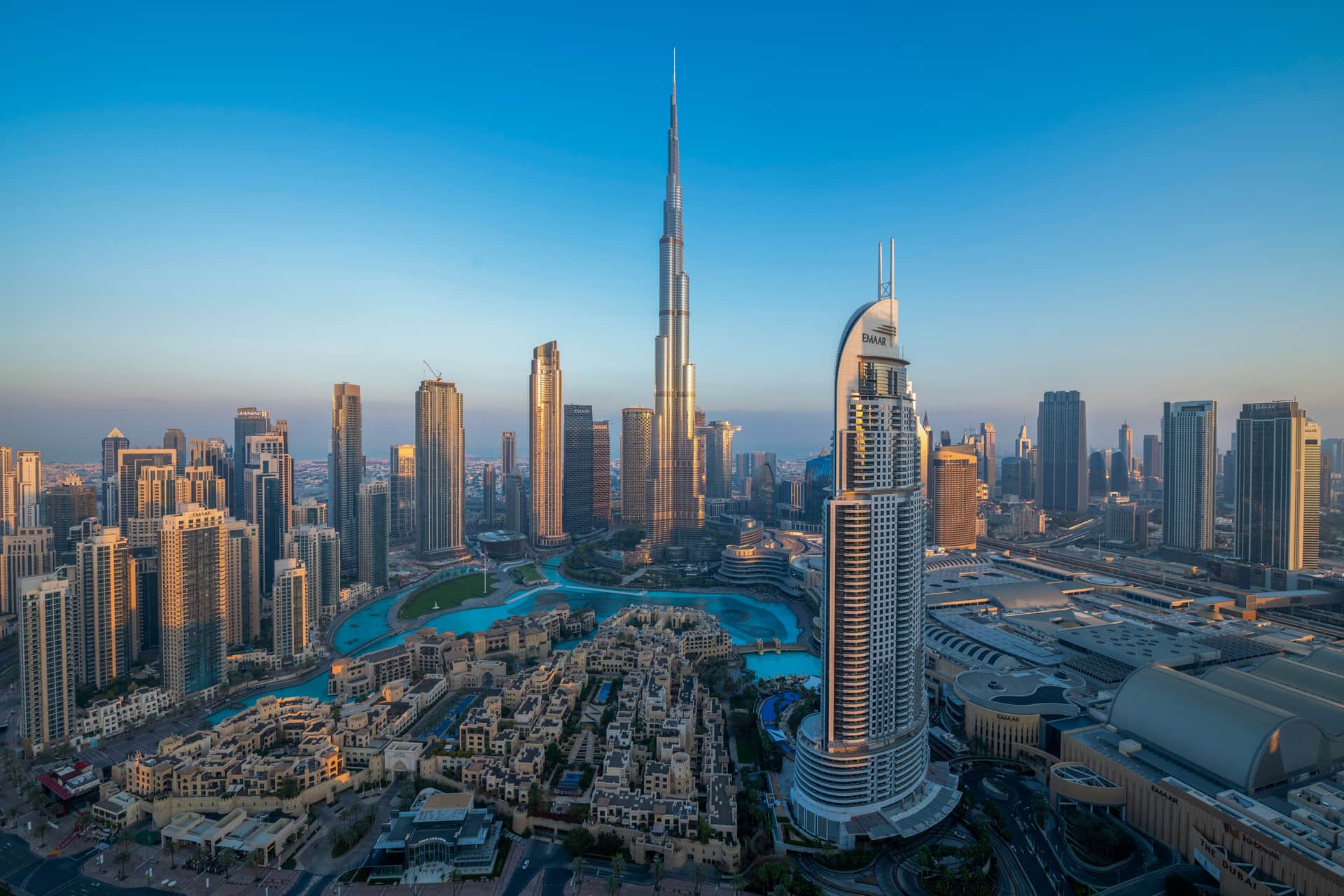
Until recently the listed options in Dubai were thin and almost entirely commercial. That changed in May 2025, when Dubai Holding listed Dubai Residential REIT on the Dubai Financial Market — described by its issuer as the GCC’s first listed pure-play residential leasing-focused REIT and the region’s largest listed REIT. For the first time, an ordinary investor could buy a proportional slice of a very large Dubai residential rental portfolio through a brokerage account.
The second vehicle, ENBD REIT, is a different animal. It is listed on Nasdaq Dubai rather than the DFM, it is managed by Emirates NBD Asset Management, its fund manager is regulated by the Dubai Financial Services Authority in the DIFC, and its portfolio is weighted heavily towards offices. Buying one is a bet on Dubai’s residential rental market; buying the other is mostly a bet on its office market. They are not interchangeable.
REITs vs Direct Ownership
The essentials in one place
What Each REIT Reported
Every figure below is taken from the trust’s own published results announcement. The two sets of accounts cover different reporting periods and are reported in different currencies, so read them side by side rather than as a like-for-like league table.
| Measure | Dubai Residential REIT | ENBD REIT |
|---|---|---|
| Ticker / exchange | DUBAIRESI · DFM | ENBDREIT · Nasdaq Dubai |
| Reporting period | H1 2026, to 30 Jun 2026 | FY to 31 Mar 2026 |
| Portfolio focus | سكني | Office-weighted |
| Portfolio / asset value | AED 25.2bn gross asset value, up 6.9% from AED 23.5bn at 31 Dec 2025 | USD 430m, up 8.6% from USD 395m |
| Net asset value | Not stated in the H1 release | USD 254.7m, or USD 1.02 per share, up 16.5% |
| Assets held | 35,976 residential units | 10 assets: 5 office, 2 residential, 3 alternative |
| Occupancy | 98.6% average, up 0.5pp year on year | 95%, unchanged year on year |
| Revenue / income | Revenue AED 1,035.7m, up 8.1% | Net income USD 45.5m, up 35% |
| Distribution declared | AED 573.2m interim, 4.4 fils per unit | USD 10.1m for the year, USD 0.0404 per share |
| Payout basis | 80% of net profit before fair value changes | Final dividend USD 0.02 per share |
| Stated yield | c. 8.0% on IPO price; 7.1% on 30 Jun 2026 close | Not stated in the results release |
| Gearing | Not stated in the H1 release | Loan-to-value 42% |
Sources: Dubai Residential REIT H1 2026 results announcement issued by Dubai Residential REIT Management, published August 2026; ENBD REIT full-year results for the year ended 31 March 2026, announced 22 May 2026. Fields marked “not stated” were not disclosed in the results release we retrieved and have been left blank rather than estimated. Figures are historic and are not a forecast of future returns.
Six Things to Understand About the Listed Route
The differences that matter are structural, not cosmetic. These are the six that most often catch out buyers who are used to owning property directly.
Dubai Residential REIT reported that its H1 2026 interim dividend implied roughly 8.0% annualised on the IPO price of AED 1.10, but 7.1% on the 30 June 2026 closing price. The payout did not change — the price did. A quoted REIT yield is only your yield if you bought at that price.
The property route to residency is assessed on a DLD title deed, or an Oqood for off-plan. A REIT unit is a security, not registered title, so it does not produce that document. If a visa is part of your objective, see our Golden Visa guide and buy in your own name.
A large part of the return many Dubai buyers target comes from financing part of the purchase. You cannot take a UAE residential mortgage against REIT units. Our mortgage guide covers what leverage does to a direct purchase — a lever the listed route simply does not offer.
Dubai Residential REIT trades on the DFM. ENBD REIT trades on Nasdaq Dubai, with its fund manager regulated by the DFSA in the DIFC. The disclosure documents, listing rules and investor protections differ. Read the prospectus for the specific vehicle, not a generic explainer.
You avoid the 4% DLD transfer fee, agency commission and annual service charges — but you pay brokerage commission to trade and the trust deducts its own management and operating costs before the dividend reaches you. The dividend you receive is already a net number.
Across 35,976 units, one bad tenant is a rounding error — retention was reported at 94.1% in H1 2026, up from 93.8%. That is the real benefit of scale. The cost is that you cannot pick the winner: you get the portfolio average, not the best building in it.
Deciding between listed exposure and owning the asset?
Tell TruHauz what you want the investment to do — income, leverage, residency or a home — and we will set out the honest trade-off.
What the Listed Route Gives You, and What It Takes Away
Three structural differences decide which route suits an investor. None of them is about the headline yield.
Days, not months
A Dubai apartment takes weeks to market and months to transfer, with agency and DLD costs at both ends. REIT units trade on exchange during market hours. For an investor who may need the capital back, that difference outweighs a point of yield.
None, by design
You cannot choose the building, set the rent, approve a refurbishment or decide when to sell an asset. The manager does. For an investor with a view on a specific community, that is a real loss; for one who wants no involvement, it is the point.
What you give up
Direct ownership carries options a security does not: borrow against it, live in it, refurbish and reprice it, hand it to family, or use it to support a residency application. A REIT unit does one thing — pay a dividend and change price.
This guide is general information about listed investment vehicles, not financial, investment, tax or legal advice, and it is not a recommendation to buy or sell any security. Figures are historic, taken from the issuers’ published announcements on the dates stated, and are not a forecast. Unit prices and dividends can fall as well as rise. Speak to a licensed financial adviser and read the relevant prospectus before investing.
الأسئلة المتداولة
The questions investors ask most often about REITs in Dubai.
Income, Leverage or Residency — Which Are You Actually Buying?
TruHauz advises on directly owned Dubai property. If a listed trust is the better fit for what you want, we will tell you that too. Start by telling us what the money is meant to do.

انضم إلى المناقشة