
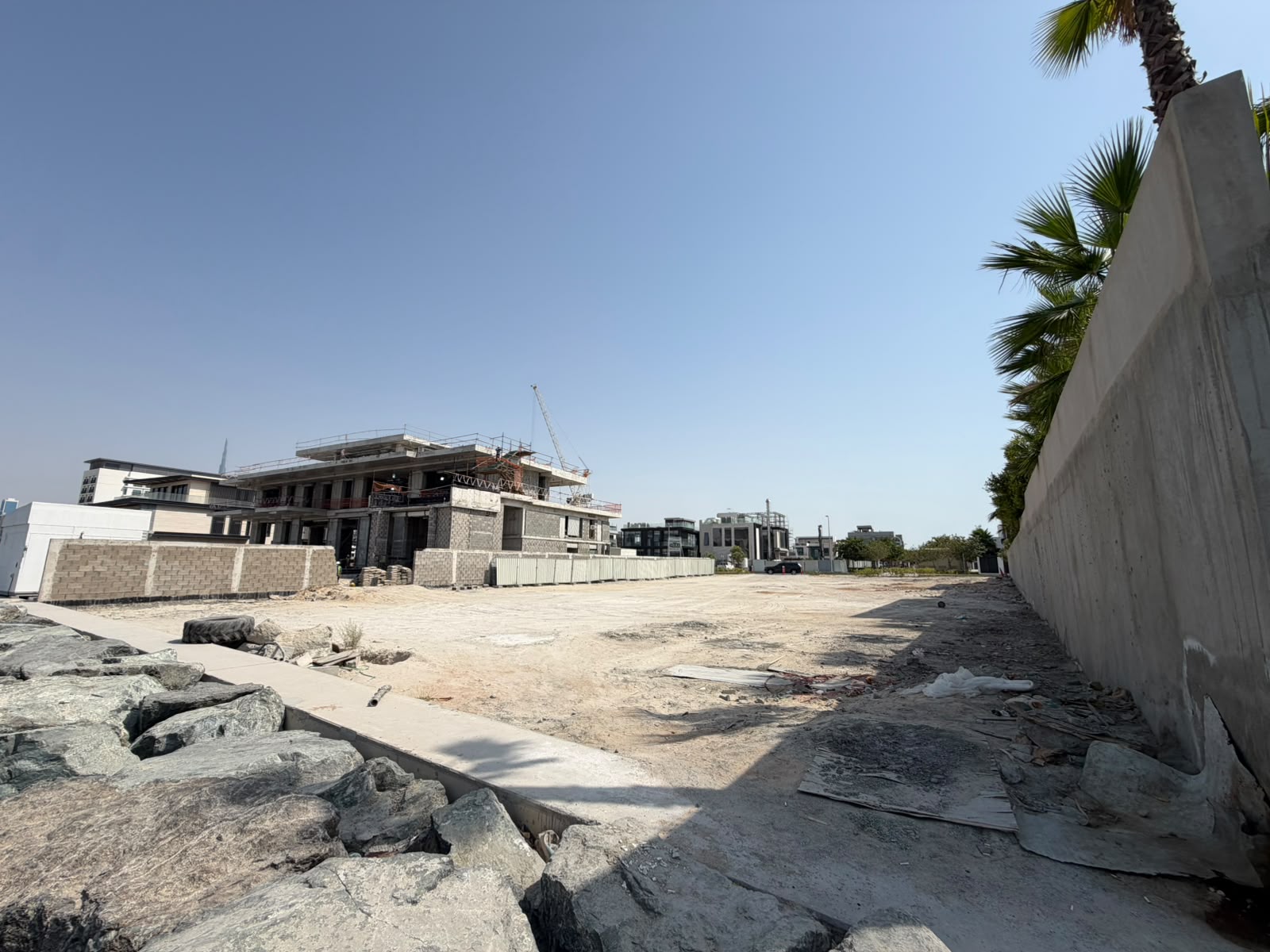
Dubai'de Arsa Satın Almak
Bir Arsaya Kimler Sahip Olabilir ve Üzerine Ne İnşa Etmenize İzin Verilir
Bir arsa satın almak, bir villanın küçük bir versiyonunu satın almak değildir. Tapuyu kimin tutabileceğini farklı bir kanun düzenler, ne inşa edebileceğinizi farklı bir belge belirler ve inşaata başlamaya hazır olduğunuzda bir izin saati işlemeye başlar. Aşağıda Dubai'de arazi mülkiyetinin gerçekte nasıl işlediğini — ve imzalamadan önce önemli olan kontrolleri — bulabilirsiniz.
Dubai'de Arazi Sahibi Olmaya Gerçekte Kimlerin İzni Var
Dubai gayrimenkulüne dair rehberlerin çoğu arazi sorusunu sessizce geçer, çünkü cevap yabancı mülkiyetle ilgili manşetlerin ima ettiğinden daha az cömerttir. Düzenleyici belge şudur: Dubai Emirliği'nde Gayrimenkul Tescili Hakkında 2006 tarihli (7) sayılı Kanun; 13 Mart 2006'da yayımlanmıştır. Bu kanunun 4. maddesi, Emirlikte gayrimenkul sahibi olma hakkını BAE vatandaşları, Körfez İşbirliği Konseyi (KİK) üye devletlerinin vatandaşları, tamamen bunlara ait şirketler ve halka açık anonim şirketlerle sınırlar.
Dubai genelindeki varsayılan durum budur. İstisna — ve önemli bir istisna — Hükümdar tarafından onaylanan bölgelerde geçerlidir. Bu bölgelerde aynı madde, BAE ve KİK vatandaşı olmayan kişilerin şu haklara sahip olmasına izin verir: süre sınırlaması olmaksızın gayrimenkulde tam mülkiyet (freehold) ya da ya da doksan dokuz yılı aşmayan bir süre için intifa veya uzun süreli kira (leasehold) hakları. Bu bölgelerin kendisi şu düzenlemede belirlenmiştir: Dubai Emirliği'nde Vatandaş Olmayanların Gayrimenkul Sahibi Olabileceği Bölgeleri Belirleyen 2006 tarihli 3 sayılı Yönetmelik; BAE Hükümeti portalı bu düzenlemeyi Dubai'nin freehold arsalarını belirleyen belge olarak tanımlar.
Dolayısıyla yabancı bir alıcı için pratik cevap şudur: evet, Dubai'de tam mülkiyetle arsa sahibi olabilirsiniz, ancak yalnızca belirlenmiş bölgelerin içinde ve bu belirleme size değil araziye bağlıdır. Bu, daire ve villaları düzenleyen yapının aynısıdır ve şu rehberimizde açıklanmıştır: Dubai'de tam mülkiyet ve uzun süreli kiralama karşılaştırması. Arsadaki fark, belirlemeyi yanlış anlamanın sonuçlarını hafifletecek bir binanın olmamasıdır.
Mülkiyetin var olabilmesi için ayrıca tescil edilmesi gerekir. 2006 tarihli 7 sayılı Kanun'un 9. maddesi, gayrimenkul haklarını doğuran, devreden, değiştiren veya sona erdiren tüm işlemlerin Tapu Siciline kaydedilmesi gerektiğini ve bu tür işlemlerin kaydedilmedikçe geçerli sayılmayacağını öngörür. İmzalanmış bir sözleşme ve yapılmış bir ödeme, tek başına size arazide bir hak vermez. İşlem, Dubai Tapu Dairesi siciline kaydedildiğinde ve adınıza bir tapu düzenlendiğinde gerçeklik kazanır — arsa alımlarının da tıpkı daire alımları gibi bir Tescil yetkilisi ofisi üzerinden tamamlanmasının nedeni budur.
Bir Bakışta Arazi Mülkiyeti
Hukuki durum tek bir yerde
Freehold, İntifa, Leasehold ve Musataha
Dubai'de arazi tek bir ürün değildir. Aynı parsele dört farklı hak bağlanabilir ve bunlar size neyi yapma imkânı verdikleri, ne kadar sürdükleri ve kimlerin bunlara sahip olabileceği bakımından farklılık gösterir.
| Hak | Size Sağladığı | Azami Süre | Müsaitlik |
|---|---|---|---|
| Mülkiyet hakkı | Arazinin kendisinin ve üzerine inşa edilen her şeyin mülkiyeti. Kendi adınıza düzenlenen tapu senedinde görünen hak. | Süre kısıtlaması yok | KİK dışı için belirlenmiş bölgeler |
| İntifa hakkı | Sahibi olmadığınız bir araziyi, özünü değiştirmeden kullanma ve ondan yararlanma hakkı. Arsa üzerine tescil edilir. | 99 yıl | KİK dışı için belirlenmiş bölgeler |
| Kiralama (leasehold) | Arazinin uzun süreli kiralanması. Ticari olarak intifaya benzer, ancak ev sahibi-kiracı ilişkisi olarak yapılandırılır. | 99 yıl | KİK dışı için belirlenmiş bölgeler |
| Musataha | Başkasına ait bir arazi üzerine inşaat yapma ve sözleşme süresi boyunca inşa ettiğiniz binanın sahibi olma hakkı. | 50 yıl | Ticari ve kurumsal kullanımda yaygın |
Freehold, intifa ve doksan dokuz yıllık leasehold sınırı, Dubai Mevzuat portalında yayımlanan ve 1 Eylül 2026'da erişilen Dubai Emirliği'nde Gayrimenkul Tescili Hakkında 2006 tarihli (7) sayılı Dubai Kanunu'nun 4. maddesinden alınmıştır. Elli yıllık azami musataha süresi ve BAE Medeni Kanunu'nun 1356. maddesi uyarınca taraflardan herhangi birinin iki yıl önceden bildirimde bulunarak sona erdirme hakkı, Al Tamimi & Company'nin yayımlanmış hukuki yorumlarından alınmıştır. 2006 tarihli 7 sayılı Kanun'un kendisi bir musataha süresi belirlemez.
Affection Plan Fiyattan Daha Önemlidir
Tapu senedi şu soruyu cevaplıyorsa: bu arsanın sahibi kim, affection plan (arsa imar planı) çok daha pahalı olan şu soruyu cevaplar: bununla ne yapılabilir. Bu, Dubai Belediyesi tarafından bir arsa için düzenlenen resmî vaziyet planıdır. DLA Piper'ın Dubai planlama ve imar hakkındaki Real World kaynağı bunu, arsa numarası ve arazi kullanım sınıflandırması dahil temel bilgileri içeren üst düzey genel bir vaziyet planı olarak tanımlar. En önemlisi, ayrıca şunları belirtir: yükseklik sınırı, the izin verilen kullanım, çekme mesafesi şartları ve otopark sağlanması gerekip gerekmediği — ayrıca geliştirmeye başlanmadan önce hangi resmî onayların gerekeceğini de gösterir.
Bu açıdan bakıldığında, aynı yaşam alanında aynı büyüklükte ve aynı fiyattaki iki arsanın değeri çok farklı olabilir. Biri, yapılaşabilir alanın büyük kısmını tüketen geniş çekme mesafeleriyle az katlı bir kullanım için sınıflandırılmış olabilir; diğeri ise birkaç ek kata imkân veren bir yükseklik sınırına sahip olabilir. Satış fiyatındaki hiçbir şey hangisinin hangisi olduğunu söylemez. Affection plan söyler ve onu edinmek, hatayı geri almaktan çok daha ucuzdur.
Aynı kaynak, Dubai Belediyesi'nin yanı sıra affection plan'da listelenen elektrik-su kurumları, sivil savunma, çevre daireleri ve diğer kurumlardan da onay alınması gerektiğini belirtir. Bir arsa ana planlı bir yaşam alanının içindeyse, ana geliştirici genellikle belediyeye başvuru yapılmadan önce onayı gereken kurumlar arasında listelenir — belediye denetiminin üzerinde ikinci bir tasarım denetimi katmanı ve genellikle ikisinden daha katı olanı.
Bir Arsaya Bağlanmadan Önce Altı Kontrol
Arazi işlemleri, bitmiş bir birim satın alırken hiç ortaya çıkmayan sorular yüzünden başarısız olur. En önemli altı soru şunlardır.
Dubai'de Arazi Devrinde Yayımlanmış Ücretler
Bunlar Dubai Tapu Dairesi'nin yayımladığı ücretlerdir. Bir arazi işlemindeki diğer her şey — aracılık, tapu işlemleri, geliştirici NOC ücretleri — taraflar arasında pazarlıkla belirlenir ve resmî bir tarifesi yoktur.
| Konu | Yayımlanan Tutar | Notlar |
|---|---|---|
| DLD transfer ücreti | Satış bedelinin %4'ü | Geleneksel olarak %2 satıcı ve %2 alıcı; uygulamada alıcı anlaşmayla sıklıkla tutarın tamamını üstlenir. |
| Tescil yetkilisi (Registration Trustee) | AED 500,000 altı için AED 2,000 + KDV AED 500,000 ve üzeri için AED 4,000 + KDV | Devrin tamamlandığı trustee ofisinde ödenir. |
| Tapu düzenleme | 250 AED | Tüm mülk türleri için sabit ücret. |
| Bilgi ücreti (Knowledge fee) | AED 10 | Standart idari ücret. |
| İnovasyon ücreti (Innovation fee) | AED 10 | Standart idari ücret. |
| Harita / vaziyet planı ücreti | AED 225 birleşik Dubai Belediyesi haritası AED 250 villalar ve daireler AED 100 Dubai Belediyesi dışındaki arazi | Hangi haritanın geçerli olduğu parselin bulunduğu yere bağlıdır. |
| İpotek tescili | Konut kredisi tutarının %0.25'i | Yalnızca alım finanse ediliyorsa. |
| Geliştirici NOC belgesi | Yayımlanmış DLD tarifesi yok | Geliştirici tarafından belirlenir ve yaşam alanına göre değişir. |
Ücret kalemleri, TruHauz'un kendi yayımladığı Dubai Tapu Dairesi ücret dökümünden alınmıştır. Ücretler DLD tarafından belirlenir ve değişebilir — işlem yapmadan önce güncel tarifeyi teyit edin. Burada ayrı bir arazi tescili idari ücreti bilerek yayımlamadık, çünkü bunu birincil bir DLD kaynağından doğrulayamadık.
Belirli bir arsaya mı bakıyorsunuz?
Bize arsa numarasını gönderin; bağlanmadan önce TruHauz sicildeki durumu kontrol etsin ve affection plan'ı okusun.
Araziye Sahip Olduktan Sonra Ne Olur
Mülkiyet, işlemin sonu değil projenin başlangıcıdır. Sonrasını üç şey belirler.
Planlama Rejimi
Dubai'deki geliştirme çalışmaları, 5 Ekim 2023'te yürürlüğe giren Dubai Emirliği'nde Kentsel Planlama Hakkında 2023 tarihli 16 sayılı Dubai Kanunu ile kurulan bir izin sistemi altında yürütülür. Dubai Belediyesi; kentsel planlama düzenlemesi, izinlerin incelenmesi ve verilmesi, uygunluk denetimi ve yaptırımdan birincil olarak sorumlu otoritedir.
İzin Saati
Bir inşaat izni altı ay geçerlidir. İnşaat bu süre içinde başlamazsa izin uzatılmalı veya yeniden başvurulmalıdır. Bu, yüklenici seçimini idari değil zamanlama meselesi hâline getirir — izin, sahada işe başlama tarihine göre zamanlanmalıdır.
Belediye ve Ana Geliştirici
Ana planlı bir yaşam alanında bir değil, iki tasarım onayından geçersiniz. Ana geliştiricinin onayı genellikle belediyeye başvurudan önce gerekir ve tasarım kuralları çoğu zaman ikisinden daha sıkı olanıdır.
Sıkça Sorulan Sorular
Alıcıların Dubai'de arsa satın alma hakkında en sık sorduğu sorular.
Satın Almadan Önce Arsayı Kontrol Edin
TruHauz, danışmanlık yaptığı her arazi işleminde sicildeki durumu, mülkiyet yolunu ve affection plan'ı inceler — böylece araziye sahip olmadan önce ne inşa edebileceğinizi bilirsiniz. Hangi arsaya baktığınızı bize söyleyin.



Tartışmaya Katılın