
DEWA Registration in Dubai
How to Connect Electricity and Water When You Move In
Nothing in a Dubai home works until the DEWA account is open — and the application sits at the end of a paperwork chain most tenants only discover on moving day. Here is what the deposit costs, which documents DEWA actually accepts, how long connection takes, what the 5% housing fee on your bill is, and how to get your deposit back when you leave. The closing half of that cycle — the deactivation fee, the final bill and the clearance certificate — is covered in our guide to the DEWA move out.
What DEWA Registration Actually Is
The Dubai Electricity and Water Authority supplies electricity and water to almost every property in the emirate, and it does so against a named account rather than against the building. When a unit changes hands the previous occupier’s account is closed, the supply is deactivated, and the new occupier has to open an account of their own before anything switches on. That process is what DEWA calls Move-in, and it is the step that turns a set of keys into a habitable home.
The mechanics are straightforward once you understand that DEWA is not really assessing you — it is matching a person to a premises number. Every unit in Dubai carries one, and it is that number, not the address, that DEWA registers supply against. This is why the application depends so heavily on documentation that ties you to a specific unit, and why the single most common reason a Move-in application stalls has nothing to do with DEWA at all.
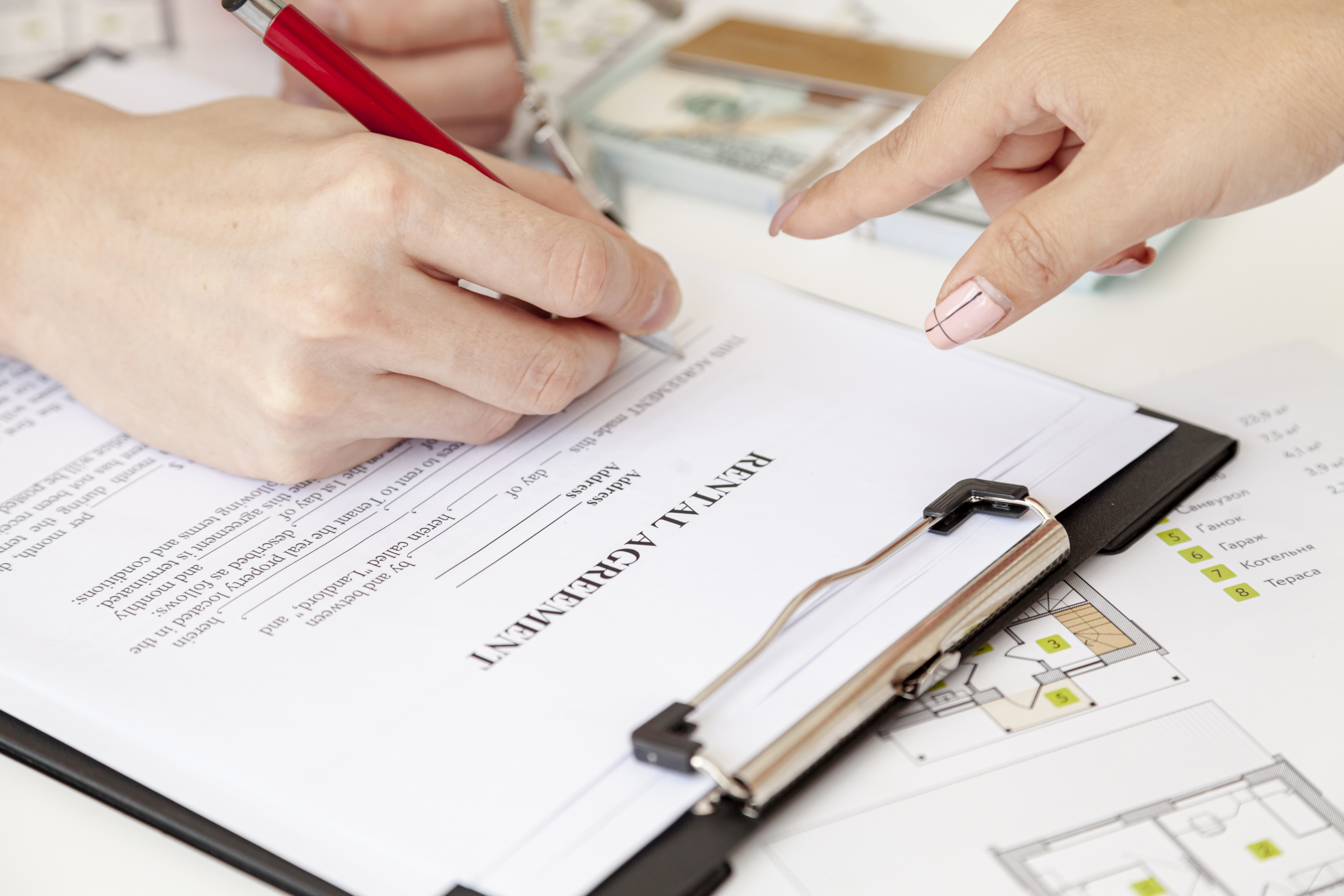
For a tenant, that documentation is Ejari. DEWA requires tenants to submit Ejari for the Move-in service, and accepts it in place of the traditional tenancy contract. The UAE Government’s official platform puts the same requirement from the other direction: registration of the lease contract is compulsory in order to connect utility services, covering water, electricity, gas and telecommunications alike. The order of operations is therefore fixed and cannot be shortcut — sign the tenancy contract, register Ejari, then apply to DEWA.
Owners occupying their own property follow the same route without the Ejari step, since there is no lease to register. Where an owner is in a free zone area, DEWA directs the application through its digital channels rather than the standard counter route.
Two costs attach to opening the account, and they behave completely differently. The security deposit — AED 2,000 for an apartment or AED 4,000 for a villa — is refundable and is best thought of as money parked rather than money spent. The supply activation fees of AED 155 are not refundable; they are the cost of the connection itself. Confusing the two is the source of most of the disappointment people feel when the closing balance arrives.
DEWA Move-In at a Glance
The essentials in one place
What It Costs to Open a DEWA Account
Two of these you get back and two you do not. Knowing which is which is the difference between a move-in budget that works and one that quietly overruns.
| Item | Amount | Refundable | What It Is |
|---|---|---|---|
| Security deposit — apartment | AED 2,000 | Yes | Held against the account and set against your final bill when it is closed. |
| Security deposit — villa | AED 4,000 | Yes | The same mechanism at a higher amount, reflecting the larger expected load. |
| Supply activation fees | AED 155 | No | The cost of activating supply, payable through any DEWA payment channel. |
| Dubai Municipality housing fee | 5% of annual rent | No | Collected by DEWA for Dubai Municipality and added to the monthly bill in twelve instalments. |
| Monthly consumption | Varies | No | Electricity and water actually used, billed monthly against your meter readings. |
| District cooling | Billed separately | Varies | Where a building is on district cooling, chilled water is billed by the cooling provider, not by DEWA. |
Deposit, activation fee and connection timing per Dubai Electricity and Water Authority (dewa.gov.ae) Move-in service information, retrieved 27 August 2026. Housing fee percentage and billing method per the Official Platform of the UAE Government (u.ae), retrieved 27 August 2026. Consumption tariffs and district cooling charges vary and are not stated here — check your current tariff with DEWA and your cooling provider directly.
How to Register with DEWA, In Order
The sequence matters more than the paperwork. Each step below depends on the one before it, which is why applications fail at the front of the chain rather than at DEWA’s end of it.
Moving into a Dubai property this month?
Tell us the building and TruHauz will tell you what the utility set-up actually looks like — DEWA, cooling provider, and what the first month really costs.
The 5% Housing Fee on Your DEWA Bill
It is not a utility charge and it is not optional. The Dubai Municipality housing fee is calculated at 5 per cent of the yearly rental charges and added to the monthly electricity and water bills — which means it arrives disguised as part of a bill most people never read line by line.
Of the Annual Rent
The fee is charged on the rent in your registered tenancy contract, not on your consumption. Two neighbours with identical electricity use pay different housing fees if their rents differ — and the tenant who negotiated the rent down also, quietly, negotiated this down with it.
Spread Across the Year
Rather than arriving as one demand, the fee is divided into twelve monthly instalments carried on the DEWA bill. The effect is that a substantial annual cost never presents itself as a substantial number, which is precisely why it is so often left out of a household budget.
Illustration Only
An illustration, not a quoted figure. Inputs: an annual rent of AED 90,000, a housing fee of 5% of yearly rent, divided into twelve monthly instalments. The arithmetic gives AED 4,500 a year, or AED 375 a month added to the DEWA bill. Substitute your own contract rent for a figure that applies to you.
The bottom line: a tenant’s true monthly housing cost in Dubai is rent, plus consumption, plus one-twelfth of five per cent of the rent, plus district cooling where the building carries it. Only the first of those appears in the listing. When you are comparing two apartments at the same headline rent, the one on district cooling in a high-consumption tower can cost meaningfully more to run — and none of that difference is visible until the bills start arriving. Our guides to district cooling charges and service charges in Dubai cover the two costs most often missed alongside this one, and our rental index guide explains how the rent that drives this fee can legally change at renewal.
Frequently Asked Questions
The questions tenants and owners ask most often about registering with DEWA in Dubai.
This guide is general information about a utility registration process, not legal or financial advice. Fees, deposits and procedures are set by DEWA and Dubai Municipality and can change. Confirm current amounts and requirements with DEWA directly before you act on them, and take professional advice on anything that affects your tenancy or ownership position. Where a figure could not be verified against an official source — including consumption tariffs and district cooling charges — it has been deliberately left out of this page rather than estimated.
Know What the First Month Costs
TruHauz walks tenants and owners through the full move-in cost — Ejari, DEWA, cooling provider and the fees that never make the listing. Tell us what you are moving into.


Join The Discussion