
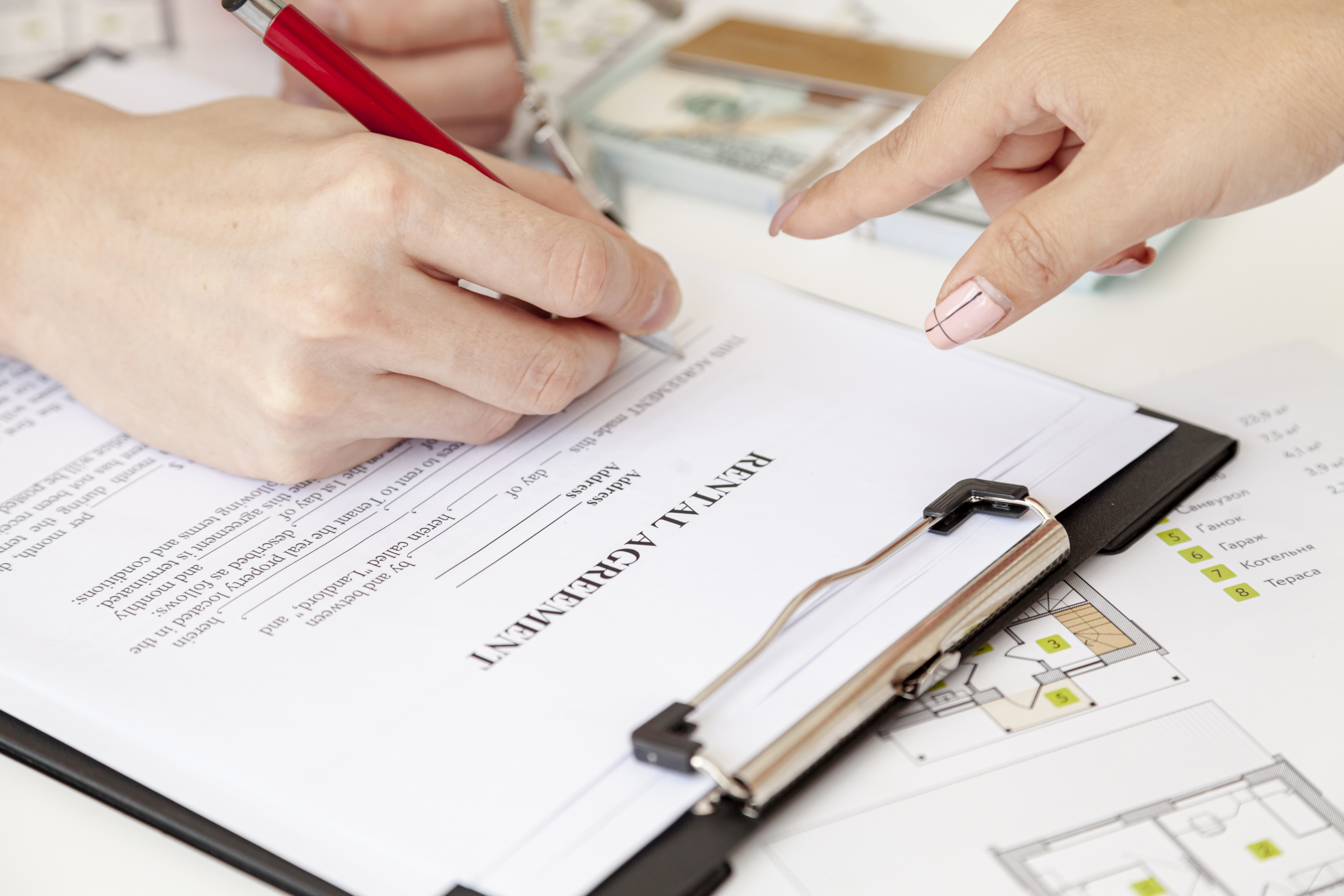
DEWA Move Out in Dubai
The Final Bill, Your Deposit and the Clearance Certificate
Opening a DEWA account is the first thing a Dubai tenant does. Closing it properly is the thing that decides whether the deposit comes back in minutes or turns into a month of chasing. Here is how the move-out request works, what deactivation costs, how the refund is calculated, and why DEWA has to be closed before the Ejari can be.
What a DEWA Move Out Actually Does
A DEWA move out — the utility calls it deactivation of electricity and water — is the transaction that ends your supply contract at a property. It does four things in sequence: it records the date you stopped being responsible for the property, it takes a closing meter reading, it produces a final bill, and it releases whatever is left of your security deposit once that bill is settled.
The distinction that causes the most confusion is between the deposit and the fee. When you opened the account you paid a refundable security deposit and a non-refundable supply activation charge. On the way out the same split applies: the deactivation fee is a charge for the disconnection and you will not see it again, while the deposit is money that has been parked against the account and is now set against your closing consumption. Our DEWA registration guide sets out the deposit and activation figures on the way in.
The second thing worth understanding is the order of operations. The clearance certificate DEWA issues once the final bill is paid is shared with RERA, and it is what unlocks the closure of your tenancy registration. That makes the move-out a precondition for cancelling your Ejari rather than a parallel task. Tenants who try to close the tenancy record first usually find the process stalls for want of a document only the completed move-out can produce.
Finally, a DEWA move out does not close everything. Where a building is served by a district cooling provider, cooling is billed on a separate account with its own deposit and its own closing process, and a chiller-free arrangement changes who carries that cost rather than removing the account. Community or master-development accounts can also sit outside DEWA entirely. Each has to be closed on its own terms, and a bill left open on any of them follows you.
DEWA Move Out at a Glance
Fees, timings and the mechanics of the deposit refund
The Move-Out Charge, Line by Line
Only the first line moves. The meter size is what separates a small-meter apartment disconnection from a large-meter one, and the two government levies are the same for everybody.
| Component | Amount | Refundable | What It Is |
|---|---|---|---|
| Deactivation — small meter | AED 125 | No | Most apartments The charge for disconnecting a small meter. |
| Deactivation — large meter | AED 300 | No | Larger premises The equivalent charge where a large meter serves the property. |
| Knowledge fee | AED 10 | No | Fixed A standard Dubai government levy applied across services. |
| Innovation fee | AED 10 | No | Fixed The second standard government levy on the transaction. |
| Thukher / Sanad card discount | −50% | — | Available to holders of these cards, which are issued to UAE nationals. |
| Security deposit | AED 2,000 / 4,000 | Yes | Held against the account, set against the final bill, balance refunded. |
Deactivation fees, the knowledge and innovation fees, the Thukher and Sanad discount, the 24-working-hour deactivation and final-bill timings and the refund methods are as reported by Gulf News, “How to deactivate DEWA when moving out of a Dubai home”, published 19 August 2026. The apartment and villa security deposit figures of AED 2,000 and AED 4,000 are as published in TruHauz’s own DEWA registration guide. Confirm current charges with DEWA before you transact, as published fees can change.
Six Steps to a Clean Exit
Each step produces the document the next one needs. Skipping one does not save time — it simply moves the delay further down the chain.
Moving out, or moving on from renting altogether?
TruHauz handles check-out, utilities and tenancy closure as one process — and if this is the move where you stop renting, we will show you what the same budget buys.
The Refund Is No Longer the Slow Part
For years the deposit was the thing tenants waited on. Automation has moved the bottleneck somewhere else entirely — and knowing where it moved to is what makes an exit quick.
The Refund Itself
DEWA announced on 26 April 2026 that deposit refund processing had fallen to eight minutes, from thirty minutes and originally four days. It runs on IBAN verification without human intervention, and operates around the clock rather than in working hours.
The Threshold
The eight-minute service covers refunds up to AED 4,000, which DEWA put at roughly 90 per cent of all refund requests. Since apartment deposits are AED 2,000 and villa deposits AED 4,000, most residential move-outs sit inside the band.
The Real Bottleneck
Nothing is refunded until the final bill is settled, and the bill only exists once the supply has been deactivated. The waiting is now front-loaded into scheduling the disconnection and paying what is owed — not into the refund.
Frequently Asked Questions
What Dubai tenants ask most often when closing a DEWA account and moving out.
Make This the Last Move-Out
Every exit is a reminder that the deposit, the notice and the clearance are someone else’s rules. If you would rather own the next one, tell us your budget and we will run the numbers against what you pay in rent today.


Join The Discussion