
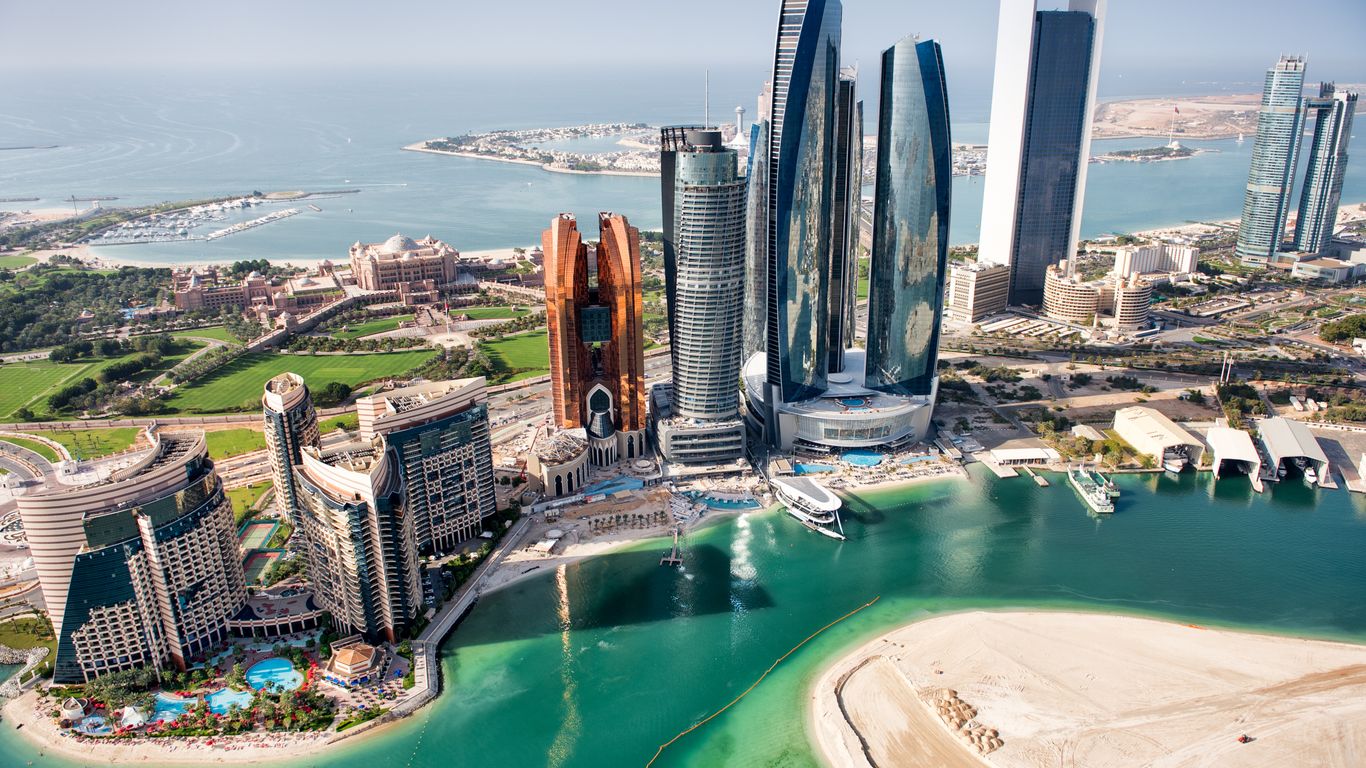
Abu Dhabi’s Rent Freeze Is Not a Warning.
It’s a Signal.
Abu Dhabi has frozen residential and commercial rents at 0% renewal increases, effective immediately. Most observers read this as a tenant protection measure. They are reading the wrong thing.
Why a Rent Freeze in a Strong Market Means Something Different
On the surface, a rent freeze looks like a demand-side protection measure — a government stepping in to shield tenants from rising costs. But that reading only makes sense in a market that is struggling. Abu Dhabi is not struggling.
AED 66 billion in Q1 2026 transactions. Foreign direct investment up 423% year-on-year. These are not the numbers of a market in distress. These are the numbers of a market where demand has materially outpaced supply — and where the government is confident enough in that dynamic to moderate landlord returns without triggering capital flight.
This freeze is the inverse of a distress signal. It is a confidence signal. Abu Dhabi’s government is saying, in the clearest possible terms: we are certain enough in this market’s trajectory that we can afford to compress near-term yield without changing the long-run investment case.
Three Structural Signals for Capital Allocators
Read past the headline. Here is what the rent freeze tells institutional and private investors about where Abu Dhabi is going.
Demand Is Genuinely Ahead of Supply
A government freezes rents when rental growth is accelerating and institutional confidence is such that moderating landlord returns won’t trigger an exit. The freeze confirms what the transaction volumes already suggest: Abu Dhabi’s absorption capacity is being tested, not underwhelmed.
Abu Dhabi Is Moving Toward Institutional-Grade Asset Class Status
The structural signal here is clear: Abu Dhabi is transitioning from a hot-cycle asset class to a long-duration institutional allocation. When rents stop being the primary story, price discipline and location selectivity become the determining factors of returns — which is precisely how deep-pocketed institutional capital thinks.
Appreciation Is the Primary Return Driver Now
For buyer-investors, this reshapes the underwriting. Rental assumptions have compressed. The holding-period thesis — the appreciation that pays for rate cycles — has become the primary return driver. That is not a weakening of the investment case. It separates serious long-term investors from short-term leverage traders. And it is actually healthier.
Looking at Abu Dhabi or Dubai as a long-term hold?
TruHauz advisors work across both emirates — helping capital allocators build and manage Gulf real estate positions.
How the Rent Freeze Reshapes the Investment Case
If you are considering an Abu Dhabi position, here is how the new environment changes what you should be underwriting.
📉 Yield Compression Is Real — Plan Around It
Your rental growth assumptions for the first renewal cycle are now 0%. Update your underwriting accordingly. The year-one yield on your cost basis will not increase via rent until the freeze lifts. Price your entry with this in mind, not with pre-freeze assumptions.
📈 Appreciation Becomes the Thesis
With rental growth capped, the primary return driver is capital appreciation. This means buying in the right location matters more than ever. Prime, infrastructure-adjacent, and supply-constrained locations will separate significantly from the broader market. Expect capital migration toward these assets as investors recalibrate.
⏳ Extend Your Holding Period
This freeze rewards patience. Investors who hold through the rental compression cycle and into the appreciation phase will be the winners. Short-term flippers and yield traders will find their return profiles materially compromised. The freeze is, in effect, a filter for serious long-term capital.
🏆 Location Becomes Everything
When rents stop being the story, location and price discipline become the entire investment thesis. Prime Yas Island, Al Reem Island, Saadiyat, and the Corniche corridor will attract the institutional-grade capital migrating from yield trading to appreciation plays. Secondary locations face a more challenging environment. If you are weighing the capital against Dubai before committing, our Dubai vs Abu Dhabi investment comparison puts both markets side by side on sourced H1 2026 data. And if you are letting a unit in the capital rather than selling it, the tenancy register that makes the lease enforceable is set out in our guide to Tawtheeq in Abu Dhabi.
Frequently Asked Questions
What investors are asking about the Abu Dhabi rent freeze and its implications.
Thinking About a UAE Real Estate Position?
TruHauz advises private and institutional investors across Dubai and Abu Dhabi. Whether you are evaluating your first UAE position or reviewing an existing portfolio in light of the new market dynamics, our team provides a clear, data-grounded view.


Join The Discussion