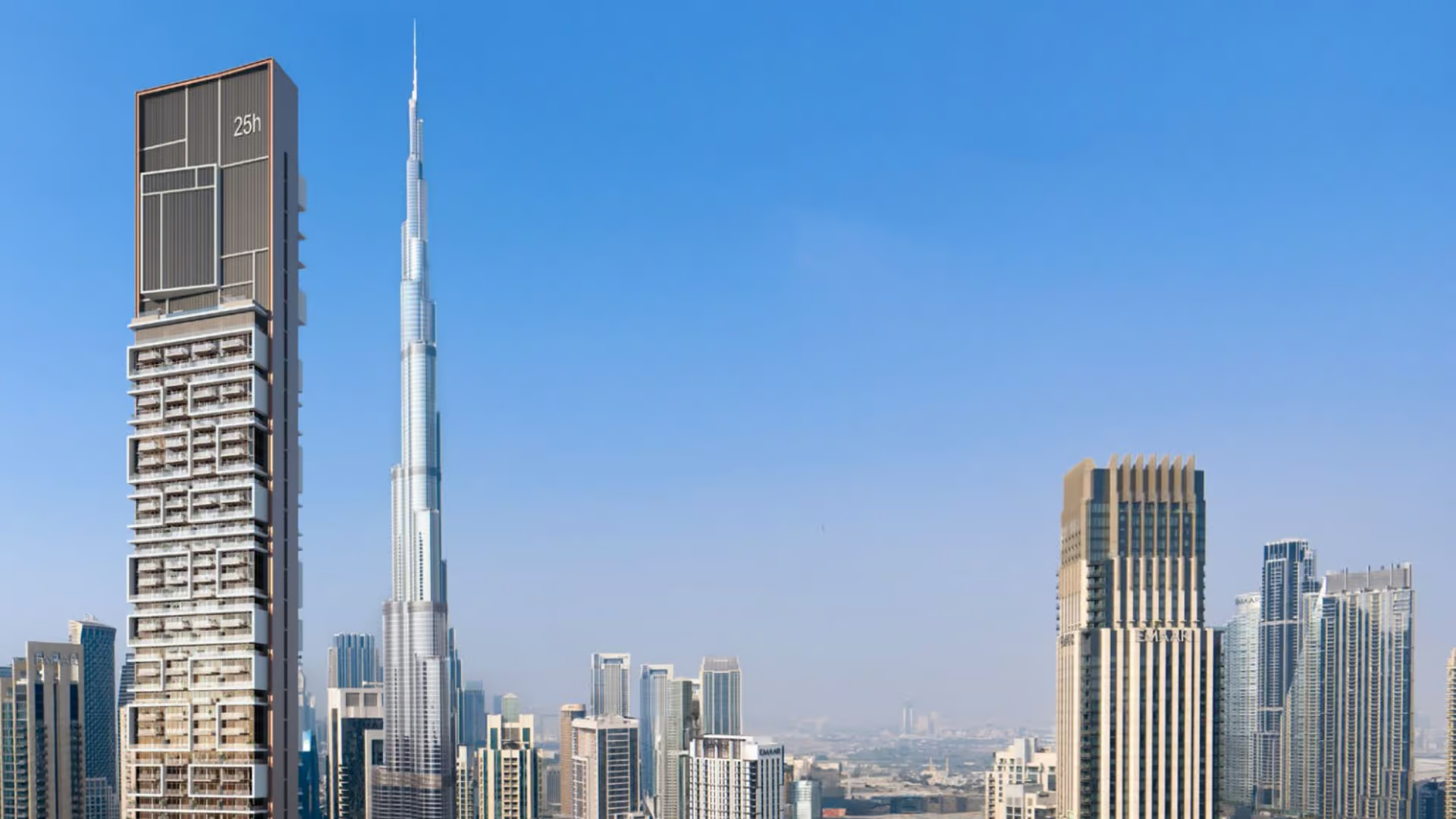
Understanding DIFC Second Phase Impact on Surrounding Property Values: Complete Investment Analysis
Benefit from the powerful value creation effect of DIFC second phase expansion on surrounding property markets. Strategic location advantages in the emerging Zabeel District create exceptional growth potential. Tax-free rental income and yields enhanced by increased demand drive superior returns. Golden Visa qualification and flexible payment options add significant investor value. Properties adjacent to DIFC's expansion offer compelling risk-adjusted returns with TruHauz providing complete advisory and transaction support.
Why Investors Are Monitoring DIFC Second Phase Impact
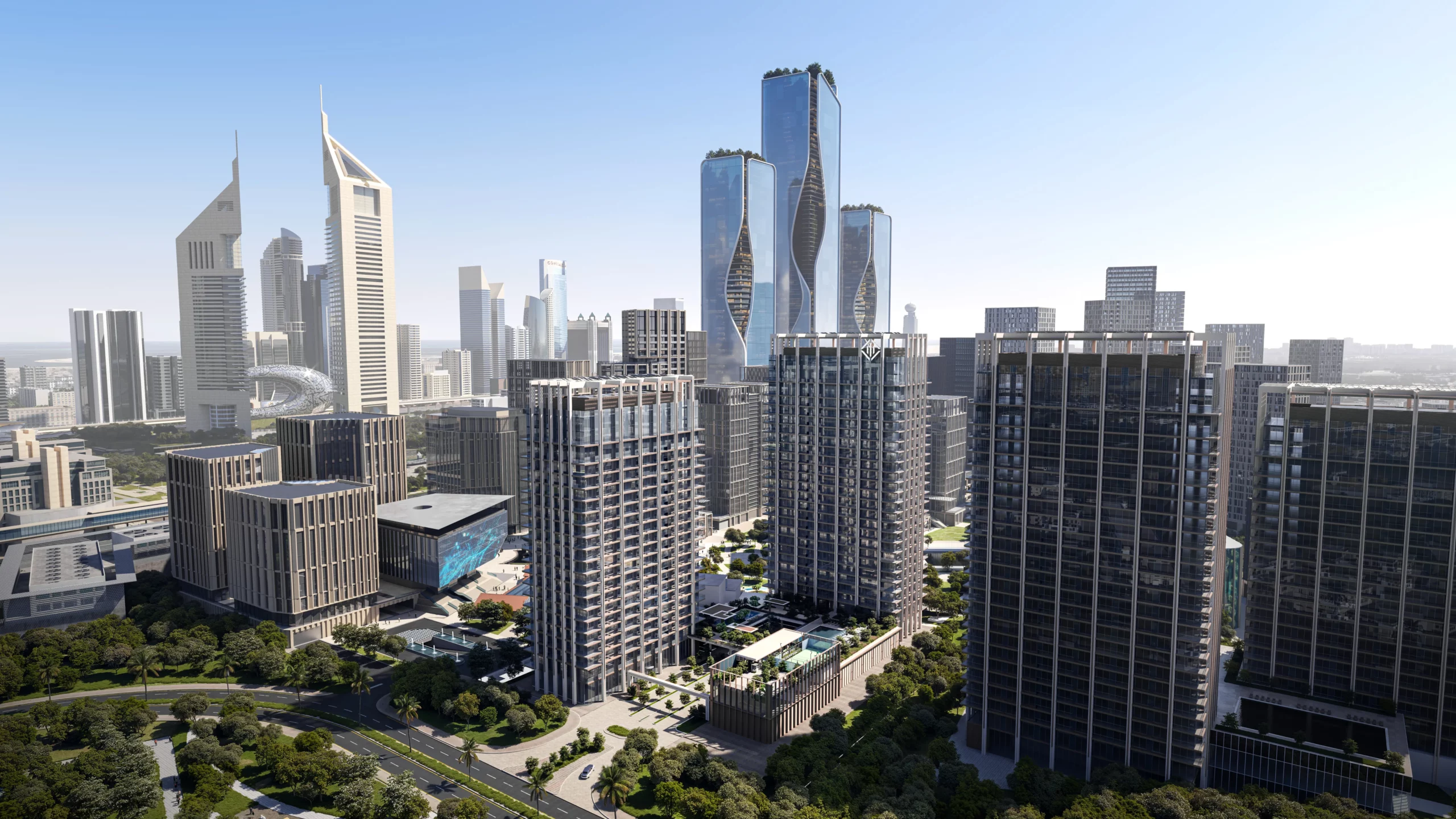
Large-scale financial district developments create ripple effects that extend well beyond their immediate boundaries. DIFC's second phase expansion, with its substantial infrastructure investment and professional population growth, is generating significant interest in surrounding areas. Property values in adjacent districts typically benefit from improved connectivity, enhanced amenities, and increased professional density.The expansion's impact on surrounding areas creates opportunities for investors who understand catalytic development patterns. Properties positioned to benefit from improved infrastructure, professional population growth, and enhanced connectivity often experience appreciation ahead of direct district assets. The AED 100 billion investment scale ensures infrastructure improvements extend beyond core district boundaries.Market analysis indicates strong correlation between major financial district expansions and surrounding property value appreciation. The projected addition of 125,000 professionals creates natural demand for residential properties in adjacent areas, while infrastructure improvements enhance overall accessibility and desirability. These dynamics position surrounding properties as compelling opportunities for investors seeking exposure to district growth benefits while optimizing investment efficiency.
DIFC Second Phase vs Global Property Investment: The Numbers That Matter
Analyzing DIFC second phase area property performance against real estate markets in other major global cities reveals substantial financial differences. The comparison below highlights key metrics essential for evaluating long-term investment potential and risk assessment.Investment Comparison Table:
Feature
Dubai
Global markets
Average gross rental yield
Typically 6-7% with some areas achieving higher yields
Varies widely. Many mature markets deliver lower average yields
Income tax on rental income
0%
Often applies, depending on jurisdiction and income band
Capital gains tax
0%
Common in most markets, with rates varying by country
Annual property tax
None
Annual property or local taxes typically apply
Transaction fee / stamp duty
4% Dubai Land Department transfer fee
Stamp duties or transfer taxes vary and can be significant
Market dynamics
High demand from expatriates, population growth and strong rental demand
Mature markets with slower growth and tighter regulation
What These Numbers Mean for Global Investors
Properties positioned to benefit from DIFC second phase expansion experience enhanced rental yield potential and capital appreciation prospects, with investors capturing complete rental income and gains. The absence of annual property taxes significantly improves net performance, especially compared to markets with layered taxation.Areas benefiting from second phase development maintain the same transparent cost framework, with a single 4% transfer payment to Dubai Land Department. International markets often present variable and considerably higher transaction expenses for additional properties or premium purchases. The catalytic effect of major expansion combined with streamlined investment costs creates compelling opportunities for international investors seeking value appreciation and portfolio growth.
Establish UAE Residency Through DIFC Expansion Area Property Investment
International investors seeking enhanced lifestyle or mobility benefits discover Dubai's DIFC second phase area property-linked residency options offer meaningful long-term value. The UAE Golden Visa allows foreign property investors to live, work and study in the country for up to ten years.
10-Year Golden Visa Requirements
Minimum property investment of AED 2 million
Can be a single property or multiple properties totalling AED 2 million
Off-plan properties near DIFC's second phase qualify if certain criteria are met
Mortgage is allowed if your personal equity contribution is at least AED 2 million
Benefits of the UAE Golden Visa
Live, work and study in the UAE
No minimum stay requirement
Sponsorship for spouse and children
Long-term stability and residency security
Access to world-class healthcare and education
Attractive lifestyle with year-round sunshine
Strategic base connecting Europe, the Middle East and Asia
For families exploring relocation possibilities, alternative residency, lifestyle advancement or international diversification, the Golden Visa delivers substantial, long-term benefits to property ownership in areas benefiting from DIFC's second phase expansion.
Why Investors Choose TruHauz for DIFC Expansion Area Investment
Complete Remote Purchase Service
Virtual property tours and video walkthroughs of DIFC-adjacent developments
Flexible availability across time zones
All documentation handled remotely
No need to fly to Dubai until handover (if you prefer)
Risk Protection
Only RERA-registered, financially stable developers with DIFC second phase exposure
Escrow account protection for all payments
Legal compliance verification
Post-handover support and snagging inspections
End-to-End Support
Free initial consultation and DIFC second phase impact portfolio advice
DIFC-adjacent property selection and virtual tours
Complete transaction management
UAE mortgage coordination (if needed)
Golden Visa application assistance
Unbiased Expert Guidance
Access to 50+ premium developers with DIFC second phase projects (EMAAR, DAMAC, Azizi, Sobha)
Founders with $300M+ in proven sales success in high-growth Dubai markets
Former EMAAR and DAMAC senior executives
We compare projects based on YOUR goals, not commissions
Can foreign buyers purchase property near DIFC's second phase expansion, and do they need to be UAE residents?
Yes. Foreign buyers can purchase property in Dubai without being UAE residents. International investors are eligible for full freehold ownership in designated areas including those adjacent to DIFC's second phase expansion in the Zabeel District, Dubai Marina, Downtown Dubai, Business Bay and Palm Jumeirah. No visa is required to buy, and there are no restrictions on the number of properties an investor can own. Properties can be purchased in a personal name or through a corporate structure.
What investment is needed for properties affected by DIFC second phase impact on surrounding property values?
Initial investments for properties benefiting from DIFC second phase impact on surrounding property values typically start from approximately USD 120,000–150,000 for studio apartments in emerging DIFC-adjacent communities. For off-plan properties, buyers usually need a 10–20% upfront payment, with the remaining balance paid in instalments during construction. Two-bedroom apartments in prime DIFC-adjacent locations generally range from USD 250,000–400,000+.For Golden Visa eligibility, a minimum property investment of AED 2 million may qualify investors for the UAE's long-term residency programme, subject to government approval.
What ongoing costs should I expect for properties affected by DIFC second phase impact?
Do international investors have mortgage access for DIFC-adjacent properties?
How do investors sell DIFC second phase properties and repatriate funds internationally?
Dubai offers a cost-efficient ownership structure with no annual property tax and no tax on rental income. Typical ongoing costs include service charges for building maintenance and amenities, utility bills, and optional property management fees. A one-time 4% registration fee applies at purchase, and there is no capital gains tax when selling.
Yes. Several UAE banks offer mortgages to international investors, typically with loan-to-value ratios of around 50–60%. Interest rates and eligibility criteria vary by lender. Many buyers also choose off-plan payment plans, which allow instalments during construction and can reduce the need for traditional mortgage financing.
Selling property in Dubai is straightforward, with no capital gains tax applied. Properties near DIFC's second phase typically sell within a few months due to strong demand, depending on market conditions. The UAE has no capital controls, allowing sale proceeds to be transferred internationally through standard banking or foreign exchange services, subject to the buyer's local tax obligations.
Benefit from DIFC Second Phase Market Impact
DIFC's second phase expansion fundamentally reshapes Dubai's property landscape, benefiting surrounding areas significantly. The AED 100 billion investment attracts thousands of new professionals, driving substantial value growth in adjacent neighborhoods.