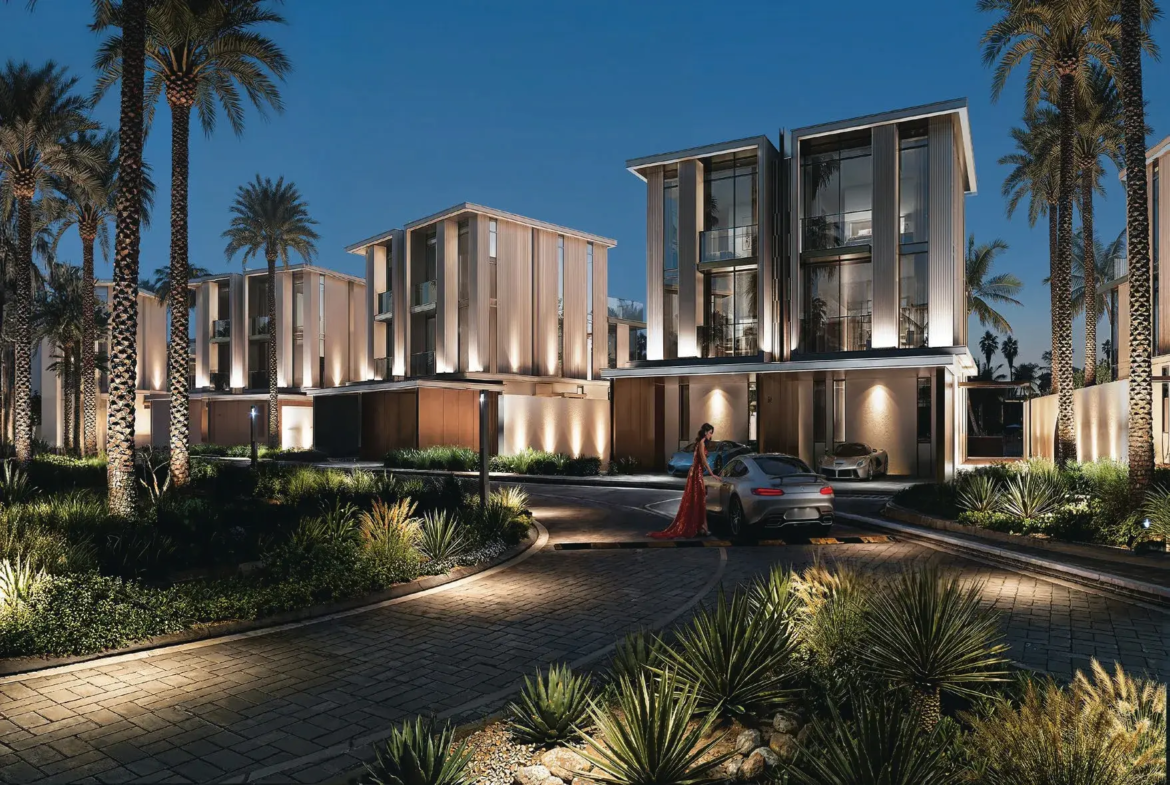
Binghatti Tilal vs Sobha Elwood: A Smarter Way to Compare Luxury Villa Communities in Dubai
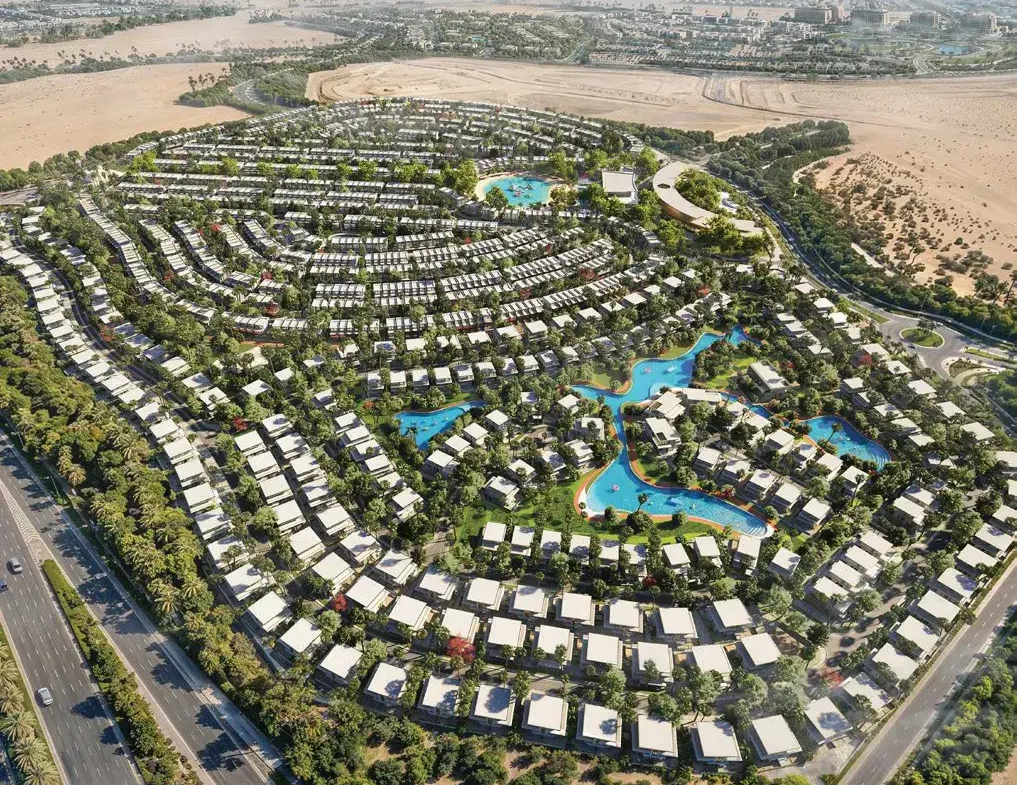
Binghatti Tilal vs Sobha Elwood offers a compelling comparison for luxury villa buyers: both communities deliver premium villa living with distinct positioning. For buyers evaluating high-end residential communities without the density of older districts, this is where the story gets interesting.
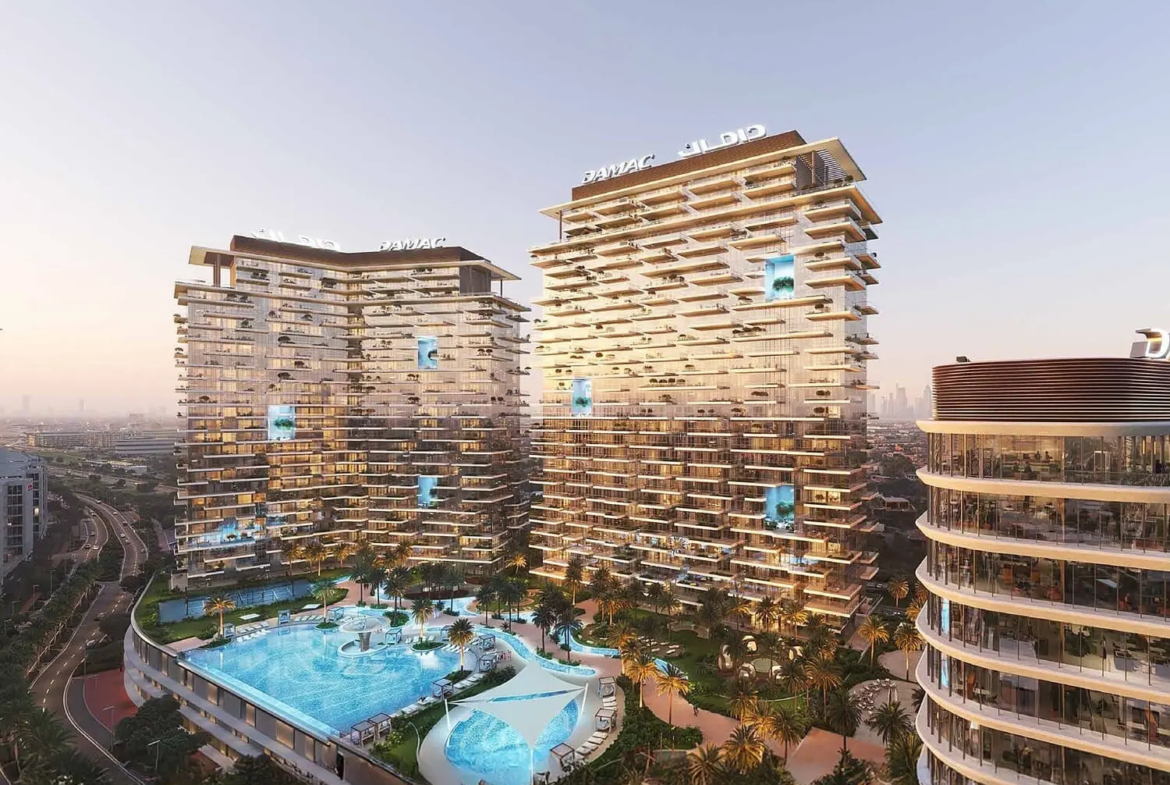
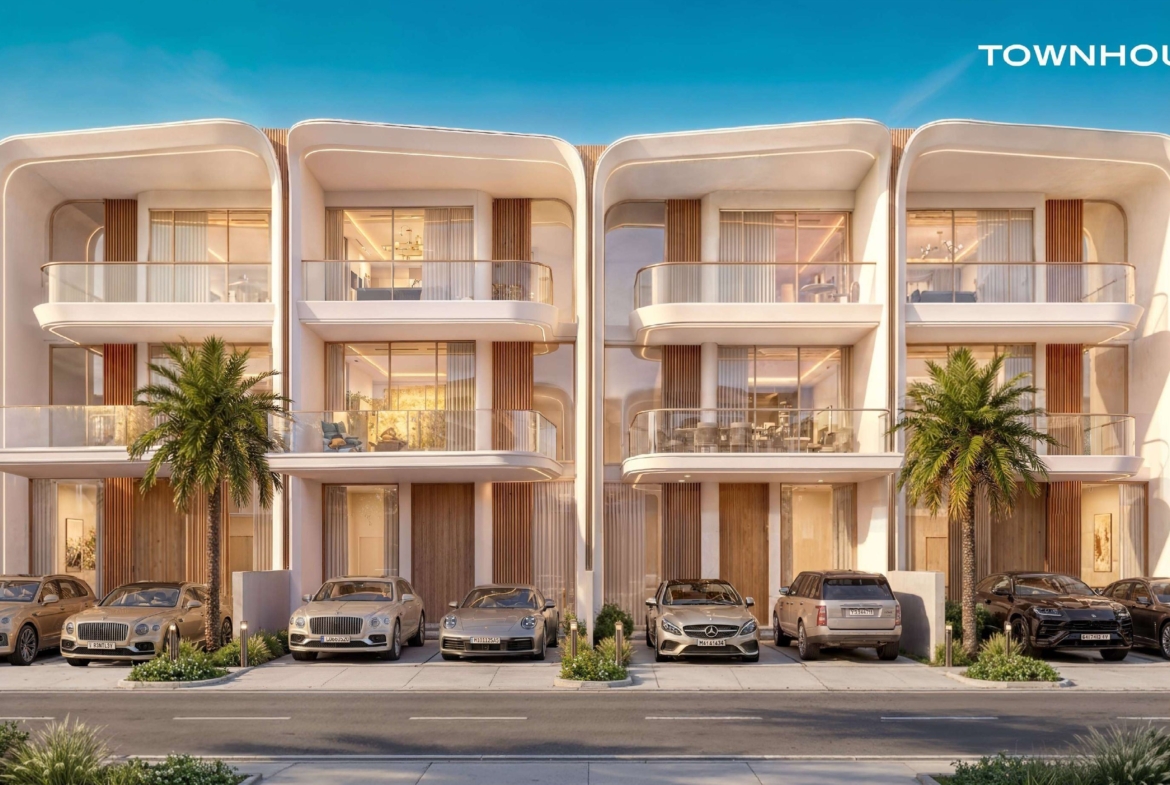
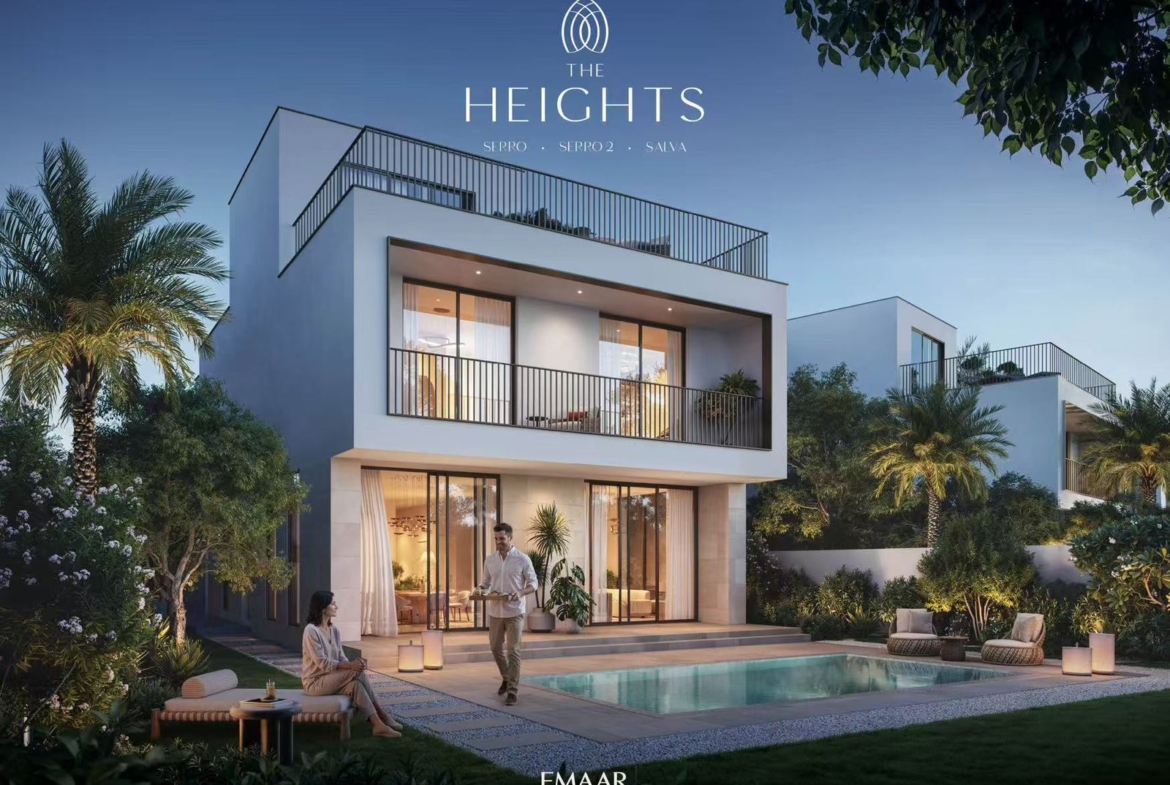
Both developments combine villa living, curated amenities, and strong investment potential. Binghatti Tilal suits end-users who want a modern, master-planned villa community, and investors who want exposure to a location with proven developer credentials. Sobha Elwood presents a residential villa collection with multiple home types designed around luxury living and community appeal.
Why Comparing Binghatti Tilal and Sobha Elwood Matters
A lot of off-plan pages try to sell the building first. Here, the wider community positioning matters just as much as the homes themselves.
Both Binghatti Tilal and Sobha Elwood are being developed as premium villa destinations with curated amenities, community spaces, and strong resale positioning. Each developer describes their master plan as a luxury residential community with extensive villa options and lifestyle appeal, which is exactly the kind of setup that can support future pricing, lifestyle demand, and resale interest over time.
What makes comparing these two communities especially useful for buyers is that both give access to premium villa product with strong developer backing. That matters because family buyers, second-home buyers, and premium tenants tend to respond well to privacy, usable outdoor space, and lower-density layouts.
Both projects are broad enough to appeal to different buyer profiles. Each developer markets villa options, so the comparison can speak both to buyers looking for a flagship home and to those entering at a more practical price point.
What Makes Dubai Attractive for Property Buyers Right Now
Buying in Dubai is not just about chasing appreciation. For many international buyers, it is about simplicity.
Compared with many global markets, Dubai remains easier to understand: no annual property tax, no tax on rental income, and no capital gains tax in the usual sense for individual property investors, while the standard Dubai Land Department transfer fee is typically 4%. The original TruHauz page already uses this comparison framework, and it works because it addresses the thing buyers actually care about: what they keep, not just what they earn.
Investment Comparison Table:
Feature
Dubai
Global markets
Average gross rental yield
Typically 6-7% with some areas achieving higher yields
Varies widely. Many mature markets deliver lower average yields
Income tax on rental income
0%
Often applies, depending on jurisdiction and income band
Capital gains tax
0%
Common in most markets, with rates varying by country
Annual property tax
None
Annual property or local taxes typically apply
Transaction fee / stamp duty
4% Dubai Land Department transfer fee
Stamp duties or transfer taxes vary and can be significant
Market dynamics
High demand from expatriates, population growth and strong rental demand
Mature markets with slower growth and tighter regulation
What These Numbers Mean for Global Investors
For a buyer considering Binghatti Tilal or Sobha Elwood, the upside is not only the property itself. It is also the efficiency of owning in Dubai while entering a premium villa community with strong market positioning.
How to Buy Binghatti Tilal or Sobha Elwood in Six Steps
1
Free Consultation
Discuss your goals, budget, and timeline. We explain the market and realistic expectations.
6
Handover & Beyond
Property handover coordination, Golden Visa assistance, property management setup, ongoing support.
5
Payment Management
We coordinate your payment schedule and developer communications. Direct payments to escrow accounts.
4
Sales Agreement
Review and sign the Sales and Purchase Agreement remotely. We explain all terms.
3
Reservation
Secure your property with 5-10% deposit. We negotiate the best terms.
2
Property Selection
Receive curated options with virtual tours, payment plans, and ROI projections.
Payment Plan Example:
10-20% deposit on reservation
60-70% during construction (quarterly instalments over 2-3 years)
10-20% on completion
How to Buy a Villa in Dubai in Six Steps
This means you can secure a property with a relatively low upfront payment, spreading the remaining balance across the construction and handover period.
Can international buyers purchase property in Dubai, and do they need to be UAE residents?
Yes. International buyers can purchase property in Dubai without being UAE residents. Foreign investors are eligible for full freehold ownership in designated areas such as Dubai Marina, Downtown Dubai, Business Bay and Palm Jumeirah. No visa is required to buy, and there are no restrictions on the number of properties an investor can own. Properties can be purchased in a personal name or through a corporate structure.
How much money do I need to start investing?
Entry-level investments typically start from approximately USD 120,000–150,000 for studio apartments in established communities. For off-plan properties, buyers usually need a 10–20% upfront payment, with the remaining balance paid in instalments during construction. Two-bedroom apartments in prime locations generally range from USD 250,000–400,000+.
For Golden Visa eligibility, a minimum property investment of AED 2 million may qualify investors for the UAE's long-term residency programme, subject to government approval.
What are the ongoing costs of owning property in Dubai?
Can international investors get a mortgage in Dubai?
How do investors sell property and repatriate funds internationally?
Dubai offers a cost-efficient ownership structure with no annual property tax and no tax on rental income. Typical ongoing costs include service charges for building maintenance and amenities, utility bills, and optional property management fees. A one-time 4% registration fee applies at purchase, and there is no capital gains tax when selling.
Yes. Several UAE banks offer mortgages to international investors, typically with loan-to-value ratios of around 50–60%. Interest rates and eligibility criteria vary by lender. Many buyers also choose off-plan payment plans, which allow instalments during construction and can reduce the need for traditional mortgage financing.
Selling property in Dubai is straightforward, with no capital gains tax applied. In established areas, properties typically sell within a few months, depending on market conditions. The UAE has no capital controls, allowing sale proceeds to be transferred internationally through standard banking or foreign exchange services, subject to the buyer's local tax obligations.
Start Your Dubai Property Investment Journey Today
The Dubai property market continues to deliver exceptional results for investors. With ongoing infrastructure development and Dubai's target of reaching 7.8 million residents by 2040, property values are projected to continue rising.